Introduction
Nature is the most precious gift to mankind. It is the foundation of life on Earth and provides everything necessary for the survival of humans, animals, birds, and plants. Nature includes forests, rivers, mountains, oceans, land, air, sunlight, and all living organisms. From the air we breathe to the food we eat, everything comes directly or indirectly from nature.
Nature not only supports life but also makes the world beautiful. The green forests, colorful flowers, flowing rivers, and majestic mountains create a peaceful environment. Nature has always been a source of inspiration for poets, writers, artists, and scientists. It teaches us balance, patience, and harmony.
However, human activities such as deforestation, pollution, and excessive use of natural resources are causing serious damage to nature. Therefore, it is our responsibility to protect and preserve it for future generations.
Importance of Nature
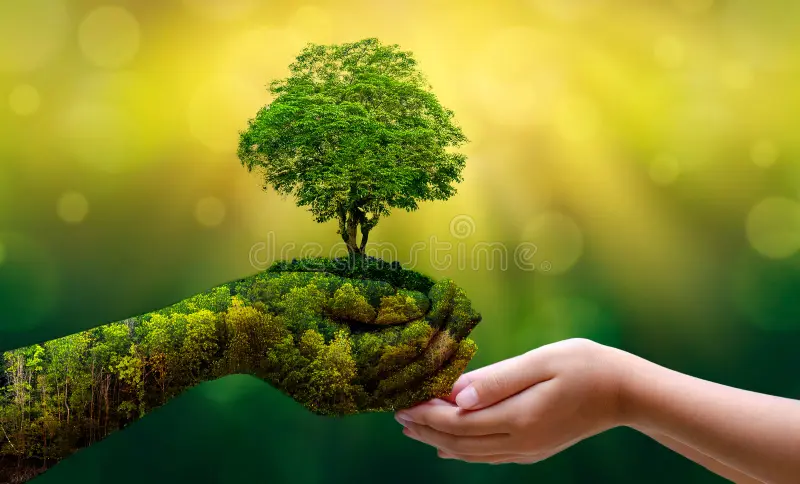
Nature is extremely important for all living beings. It provides us with the basic necessities of life such as air, water, food, and shelter.
Trees are among the most valuable gifts of nature. They absorb carbon dioxide and release oxygen, which is essential for human survival. Trees also help in controlling soil erosion, maintaining ecological balance, and providing habitats for wildlife.
Water is another important natural resource. Rivers, lakes, and oceans provide water for drinking, farming, and industrial purposes. Without water, life cannot exist.
Nature also provides fertile soil for agriculture. Farmers grow crops with the help of natural resources, ensuring food security for millions of people. Fruits, vegetables, grains, and other food items are all products of nature.
In addition, nature offers medicinal plants and herbs that are used in the treatment of various diseases. Many modern medicines are derived from natural sources.
Nature also contributes to our mental and physical well-being. Spending time in natural surroundings reduces stress, improves mood, and promotes a healthy lifestyle. A walk in a park or a visit to a forest can refresh the mind and body.
Importance of human life
Human life is deeply connected with nature. Since ancient times, humans have depended on nature for survival. Early humans lived in forests, used natural resources for food, and built shelters using materials available in nature.
Even today, modern society depends on natural resources for energy, transportation, construction, and agriculture. Industries require water, minerals, and raw materials obtained from nature. Electricity generation, transportation systems, and manufacturing processes all rely on natural resources.
Nature also influences culture and traditions. Many festivals and celebrations around the world are related to natural elements such as rivers, trees, seasons, and harvests. People often express their respect and gratitude toward nature through cultural practices.
The relationship between humans and nature should be based on respect and responsibility. If humans continue to exploit natural resources without considering environmental consequences, future generations may face severe challenges.
Beauty of Nature
Nature is full of beauty and wonder. The sunrise and sunset, blooming flowers, singing birds, flowing rivers, and starry skies create a magical experience.
Mountains stand tall and provide breathtaking views. Forests are home to countless species of plants and animals. Oceans cover a large part of the Earth and support diverse marine life. Each season brings unique beauty and changes to the environment.
Spring fills the surroundings with colorful flowers and fresh greenery. Summer provides bright sunshine and longer days. Autumn paints trees with beautiful shades of yellow, orange, and red. Winter covers landscapes with snow in many parts of the world.
The beauty of nature inspires creativity and imagination. Artists paint landscapes, poets write about natural scenery, and photographers capture stunning moments in nature.
Environmental Problems
Despite its importance, nature is facing many threats due to human activities.
Deforestation
Deforestation is the large-scale cutting of trees and forests. Forests are cleared for agriculture, urban development, and industrial projects. This leads to loss of biodiversity, soil erosion, and climate imbalance.
Pollution
Pollution is one of the biggest environmental challenges. Air pollution is caused by vehicle emissions, factory smoke, and burning of fossil fuels. Water pollution occurs when harmful chemicals and waste are released into rivers, lakes, and oceans.
Noise pollution and land pollution also affect both humans and wildlife. Pollution damages ecosystems and causes health problems.
Global Warming
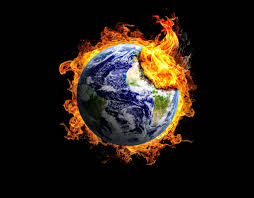
Global warming refers to the increase in Earth’s average temperature due to greenhouse gas emissions. Human activities such as burning coal, oil, and natural gas contribute to climate change.
Global warming leads to rising sea levels, extreme weather conditions, droughts, floods, and melting glaciers. These changes affect agriculture, wildlife, and human communities.
Loss of Biodiversity
Many species of plants and animals are becoming endangered due to habitat destruction, pollution, and climate change. The loss of biodiversity weakens ecosystems and reduces their ability to function properly.
Why We Must Save Nature
Protecting nature is essential for the survival of present and future generations. Nature provides the resources needed for life and economic development.
If forests disappear, oxygen levels may decrease and wildlife habitats will be destroyed. If water sources become polluted, millions of people may face water shortages. Climate change can lead to natural disasters and food insecurity.
Saving nature helps maintain ecological balance. Healthy ecosystems support agriculture, fisheries, tourism, and many other sectors. Environmental conservation also improves public health and quality of life.
Future generations deserve to enjoy the same natural beauty and resources that we have today. Therefore, it is our moral responsibility to protect nature.
How to Save Nature
There are many ways to protect and conserve nature.
Plant More Trees
Tree plantation is one of the most effective ways to protect the environment. Trees absorb carbon dioxide, improve air quality, and support biodiversity.
Reduce Pollution
People should use public transport, bicycles, or electric vehicles whenever possible. Industries should adopt cleaner technologies and reduce harmful emissions.
Save Water
Water conservation is essential. We should avoid wasting water, repair leaking taps, and use water-efficient methods in daily life.
Use Renewable Energy
Renewable energy sources such as solar, wind, and hydropower reduce dependence on fossil fuels and help combat climate change.
Recycle and Reuse
Recycling paper, plastic, glass, and metal helps reduce waste and conserve natural resources. Reusing items also minimizes environmental impact.
Protect Wildlife
Wildlife conservation programs, national parks, and protected areas help preserve endangered species and their habitats.
Spread Awareness
Education and awareness are important for environmental protection. Schools, communities, and governments should encourage people to adopt eco-friendly practices.
Role of Students in Protecting Nature
Students can play a significant role in environmental conservation. They can participate in tree plantation drives, cleanliness campaigns, and awareness programs.
Students can reduce plastic use, save water and electricity, and encourage family members to adopt environmentally friendly habits. Small actions taken by students can create a positive impact on society.
Schools should organize environmental education programs to help students understand the importance of nature and sustainability.
Conclusion
Nature is the source of life and the most valuable treasure on Earth. It provides us with air, water, food, shelter, and countless other resources. Nature also offers beauty, peace, and inspiration.
Unfortunately, human activities have caused significant damage to the environment. Deforestation, Conclusion
pollution, climate change, and loss of biodiversity are serious challenges that require immediate attention.
Every individual has a responsibility to protect nature. By planting trees, conserving resources, reducing pollution, and spreading awareness, we can contribute to a healthier planet.
If we save nature today, nature will continue to support and protect us in the future. Therefore, we must respect, preserve, and care for nature so that future generations can enjoy a safe, healthy, and beautiful world.