
Introduction
In today’s digital world, social media has become an essential part of our daily lives. Millions of people use platforms like Facebook, Instagram, X (formerly Twitter), LinkedIn, Pinterest, Snapchat, and TikTok every day to connect with friends, share content, and discover new products and services. Businesses have recognized the enormous potential of these platforms and are increasingly using them to reach their target audiences. This is where Social Media Marketing (SMM) comes into play.Social Media Marketing, commonly known as SMM, is one of the most effective digital marketing strategies available today.What is smm (social media marketing)
What is SMM
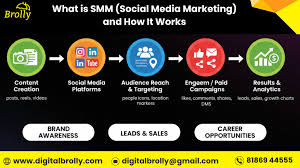
Social Media Marketing (SMM) is the process of using social media platforms to promote products, services, brands, or content. It involves creating and sharing valuable content, interacting with audiences, running advertisements, and analyzing performance to achieve marketing goals.The primary objective of SMM is to connect with potential customers where they spend a significant amount of their time—on social media platforms.SMM includes activities such as:Creating social media postsSharing images and videosRunning paid advertisementsResponding to comments and messagesCollaborating with What is smm (social media marketing)influencersMonitoring social media performanceBuilding online communitiesBusinesses use SMM to strengthen their online presence and establish long-term relationships with customers.
Why is Social Media Marketing Important?
Social media has transformed the way businesses communicate with consumers. Traditional advertising methods such as television, radio, and newspapers are no longer enough to capture customer attention.Here are some reasons why SMM is important:
1. Massive Audience Reach
Billions of people worldwide use social media every day. This gives businesses access to a large audience regardless of location.What is smm (social media marketing)
2. Cost-Effective Marketing
Compared to traditional marketing methods, social media marketing is relatively affordable. Even small businesses with limited budgets can promote their products effectively.
3. Improved Brand Awareness
Regular posting and engagement help businesses become more recognizable and memorable.
4. Better Customer Engagement
Social media allows direct communication between brands and customers through comments, messages, polls, and live sessions.
5. Increased Website Traffic
Businesses can share links to their websites, blogs, landing pages, and products, driving more visitors.
6. Higher Conversion Rates What is smm (social media marketing)
Targeted advertising and personalized content can encourage users to take desired actions such as purchasing products or signing up for newsletters.What is smm (social media marketing)
Major Social Media Platforms Used in SMM
Different platforms serve different purposes. Businesses choose platforms based on their target audience.
Facebook is one of the largest social media platforms. It supports text posts, images, videos, groups, and advertising campaigns.
Benefits
Large audience
Advanced advertising options
Community building

Instagram focuses on visual content such as photos, reels, and stories.
Benefits
High engagement rates
Strong influencer presence
Ideal for lifestyle and fashion brands
LinkedIn is a professional networking platform.
Benefits
B2B marketing
Professional branding
Lead generation
Benefits
Viral content opportunities
Younger audience reach
Creative marketing campaigns
X (Twitter)
X allows businesses to share quick updates and interact with audiences in real time.
Benefits
Fast communication
Trend participation
Customer support

Pinterest is ideal for businesses in fashion, home decor, travel, and DIY industries.
Benefits
Long content lifespanHigh purchase intent audience
Key Components of Social Media Marketing
Successful SMM involves several important elements.What is smm (social media marketing)
Content Creation
Content is the foundation of social media marketing. Businesses create content that educates, entertains, inspires, or informs their audience.
Example include:
Blog links
Images
Videos
Infographics
Reels
Stories
Live streams
Content planing
A content calendar helps businesses maintain consistency and organize posting schedules
Audience Engagement
Engagement involves
Replying to comments
Responding to messages
Running polls
Hosting Q&A sessions
Strong engagement builds trust and loyalty.
Age
Gender
Location
Interests
Behaviors
Analytics and Reporting
Tracking performance metrics helps businesses understand what works and what needs improvement.
Comman metrics include:
Reach
Impressions
Engagement
Click-through rate
Conversion rate
Benefits of Social Media Marketing
Increased Brand Awareness
Consistent posting helps more people discover a business and remember its brand.What is smm (social media marketing)
Better Customer Relatoinships
Businesses can communicate directly with customers, creating stronger connections.
Higher Website Traffic
Social media acts as a gateway to websites, blogs, and online stores.
Improved search Engine presence
While social signals are not direct ranking factors, strong social media activity can increase content visibility.
Lead Generation
Businesses can collect customer information through forms, advertisements, and landing pages.What is smm (social media marketing)
Increased Sales
Effective social media campaigns often result in more purchases and revenue.
Competitive Advantage
Companies with strong social media strategies often outperform competitors who neglect social platforms.
Popular SMM Strategies
Define Clear Goals
Businesses should establish goals such as:
.Icreasing followers
.Generating leads
.Boosting sales
.Improvoing engagement
Know Your Target Audience
Understanding customer demographics and interests helps create relevant content.What is smm (social media marketing)
Creative Valuable Content
Quality content attracts attention and encourages sharing.
Use Hashtags Strategically
Relevant hashtags increase content discoverability
Collabrate with Influencers
Influencers can introduce products to larger audiences and build credibility.
Run paid Campaigns
Advertising helps reach users beyond existing followers.
Analyze and Optimize
Continuous monitoring allows marketers to improve campaign performance.What is smm (social media marketing)
Tool Used in Social Meadia Marketing
Several tools help marketers manage campaigns efficiently.
Canva
Used for creating social media graphics and visual content.
Buffer
Helps schedule posts across multiple platforms.
Hootsuite
Provides social media management and analytics.
Meta business suite
Manages Facebook and Instagram marketing activities.What is smm (social media marketing)
Google Analytics
Tracks website traffic generated from social media.
Sprout Social
Offers advanced social media management and reporting features.
Challenges of Social Media Marketing
Despite its advantages, SMM also presents challenges
High Competition
Millions of posts are published daily, making it difficult to stand out.
Algorithm Changes
Social media platforms frequently update their algorithms, affecting content visibility.
Negative Feedback
Public complaints and negative comments can impact brand reputation.
Time-Consuming
Creating content and engaging with audiences requires significant effort.
Measuring ROI
Calculating the exact return on investment can sometimes be challenging.
Future of Social media Marketing
The future of SMM looks promising and exciting
Artificial Inetlligence (AI)
AI-powered tools will help businesses create content, analyze data, and improve customer experiences.
Short-From Video Growth
Platforms continue prioritizing short videos such as reels and TikToks.What is smm (social media marketing)
Social Commerce
More consumers are purchasing products directly through social media platforms.
Personliazed Experiences
Businesses will increasingly deliver customized content based on user behavior.
Influencer Marketing Expansion
Brands will continue partnering with influencers to reach niche audiences.
Agumented Reality (AR)
AR experiences will allow customers to virtually try products before purchasing.
Conclusoin
Social Media Marketing (SMM) has become a vital component of modern digital marketing. It enables businesses to connect with audiences, build brand awareness, increase engagement, generate leads, and drive sales through social media platforms.
A successful SMM strategy requires clear goals, high-quality content, audience engagement, data analysis, and continuous optimization. As technology evolves and social media platforms continue to grow, businesses that invest in effective social media marketing strategies will have a significant competitive advantage.
Whether you are an entrepreneur, student, marketer, or business owner, learning SMM can open new opportunities and help you succeed in the digital age.
Q1. What does SMM stand for?
Answer: SMM stands for Social Media Marketing. It is the practice of promoting products, services, or brands through social media platforms.
Q2. Why is Social Media Marketing important?
Answer: SMM helps businesses increase brand awareness, engage with customers, drive website traffic, generate leads, and boost sales.
Q3. Which platforms are commonly used for SMM?
Answer: Popular platforms include Facebook, Instagram, LinkedIn, TikTok, X (Twitter), Pinterest, and Snapchat.
Q4. Is Social Media Marketing free?
Answer: Creating and sharing content can be free, but businesses often use paid advertising to reach larger audiences and achieve faster results.
Q5. What skills are required for Social Media Marketing?
Answer: Important skills include content creation, communication, creativity, analytics, advertising management, and audience engagement.